3. Learn about SEO
by Admin
Posted on 09-09-2024 03:54 PM
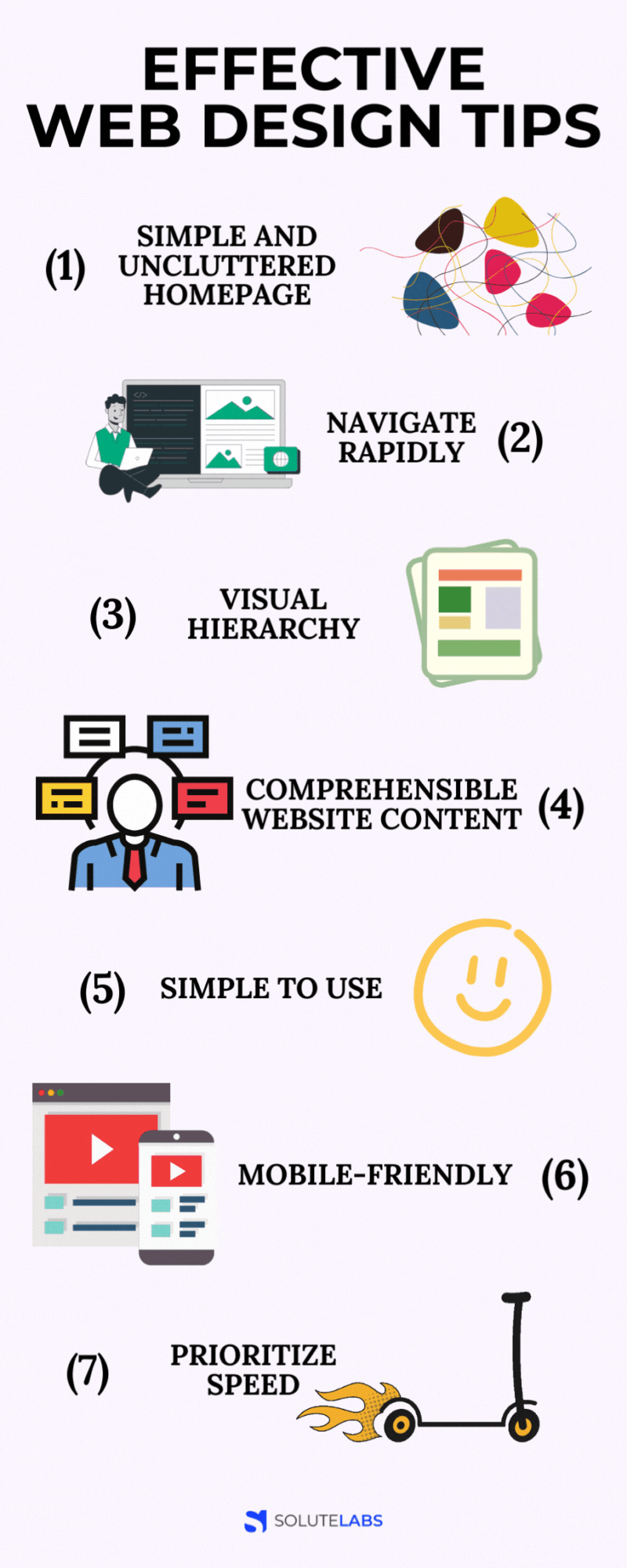
Whether you use search engine optimization (seo) or pay-per-click (ppc) ads , you typically direct people to your homepage to learn about your business.
 Once they’re there, they can navigate your website to learn more in-depth information. However, the homepage is an initial representation of your brand, so it’s a useful resource to inform leads about your company. It is important that you design a homepage that is simple but effective. You don’t want to overwhelm your visitors with an abundance of information. If your website is too busy, you’ll deter leads. Your homepage should include elements that interest your audience.
7. Test and iterate don't expect your first design to be perfect. Test your website on different browsers and devices to identify any issues. Gather feedback from friends or peers and be open to making improvements. 8. Learn from others study websites
you admire. Look for inspiration in web design galleries and blogs. Don't copy, but rather learn from successful designs and adapt them to your unique style. 9. Seo basics learn the basics of search engine optimization (seo). Properly optimizing your website will help it rank higher in search engine results and attract more visitors. 10. Stay updated the digital landscape is constantly evolving. https://scholar.google.com/scholar_case?case=1068878646420462280&q=logo&hl=en&as_sdt=4,54. Use responsive design
There really is no argument here. Of course, you want several things in place to improve your website design. But no matter what anyone tells you, a mobile friendly and responsive website should be at the top of your website design tips list. Having a website that is not mobile friendly or responsive hurts you in several different ways.
Not only does google drop you in rankings (started in 2015) and searches, but you lose visitors anyway because they have a hard time looking at your content in certain formats. While responsive and mobile friendly work together to create a streamlined user experience, they are actually two different things.
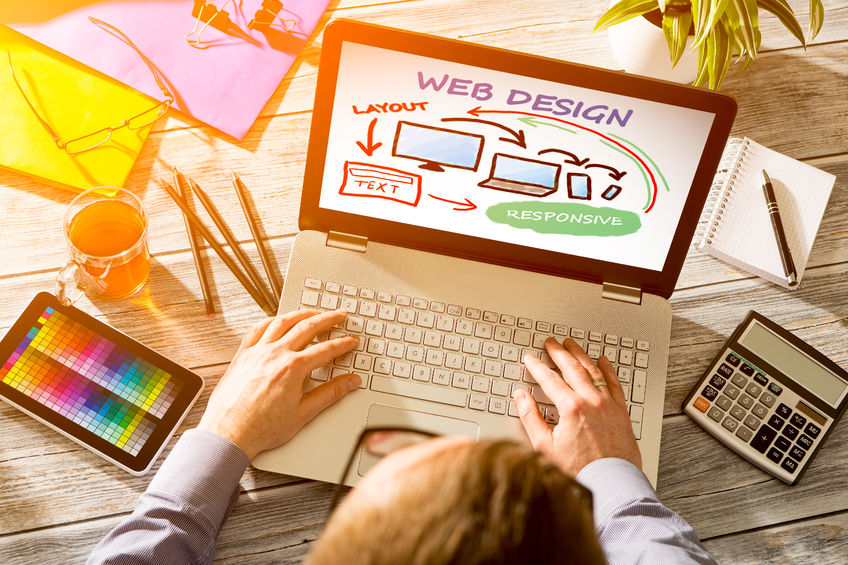
The proliferation of mobile devices has made web design for multiple devices more crucial. Responsive design offers one solution to ensure a website’s content is optimized for any device. Responsive web design enables websites to automatically detect the screen size and orientation used by the visitor, then display the elements on their page to create an optimal display regardless of platform. Mobile-first design prioritizes how information is organized and structured when creating a site targeting primarily mobile visitors without sacrificing features or usability on larger screens. This makes sure that all important information can be seen quickly enough by anyone accessing your page with any device.
Nowadays, seo and mobile optimization go hand-in-hand. With the increasing importance of mobile optimization, wordpress provides responsive themes that adapt to different screen sizes and devices. This ensures that websites built with wordpress are mobile-friendly and offer a seamless user experience across desktop and mobile platforms. Furthermore, wordpress has a large and active community of developers, designers, and users who contribute to its ongoing development and support. This means there are extensive online resources, forums, and communities where users can seek help, find tutorials, and connect with other wordpress enthusiasts. Finally, wordpress is suitable for websites of all sizes, from small blogs to large enterprise websites .
Responsive web design is today’s norm for website design. A grid system is important to learn because you will not be able to design a responsive website without one. Check out our post all about responsive design and keep these tips in mind.
5. Keep typography consistent
Your brand is your unique fingerprint in the digital world, and your website should follow suit. Dig out your brand style guide, logos, and color palettes for sharing with the web design team. If you don't have a formal guide, simply jot down notes on the colors, fonts, and imagery that represent your brand personality. The more we understand the visual assets that make your brand special, the more seamlessly we can weave it into the website’s final design. Learn more: creating your brand through imagery, voice, and service.
Whenever coming up with a wireframe for a website homepage, i try to imagine that i’m that client’s target audience. What are the business goals that xx company wants me to complete? what flow of content would help me understand the company and complete that action? getting the initial flow of the homepage will help our (awesome) designer come up with exactly the right elements and look/feel! – sarah kelley engeset, sr. Digital strategist.
Web design can make or break the fate of your web business! within a few seconds if you are unable to make the visitor understand the purpose of your website, then it’s time to reconsider whether the design is appealing indeed. It’s the dream of the entrepreneurs to make visitors stay on the website longer and easily persuade them to get their services and products. This is possible with a few valuable tips that can improve your web design and here are the 21 points given below, which are certainly going to come handy and are definitely the finest, bankable and easily applicable web design tips.
Here are a few tricks that any good web developer keeps in mind when designing a ux for business websites . Keep these in mind when monitoring the work done by your web design agency. White space usage: many business owners feel that there is too much empty space or “white space” on their web site, and that it needs to be packed with as much information as possible. On the contrary, market research shows that white space around titles and headings increases user attention. It also gives a webpage a fresh, open, and modern look. Any good web designer should understand this.